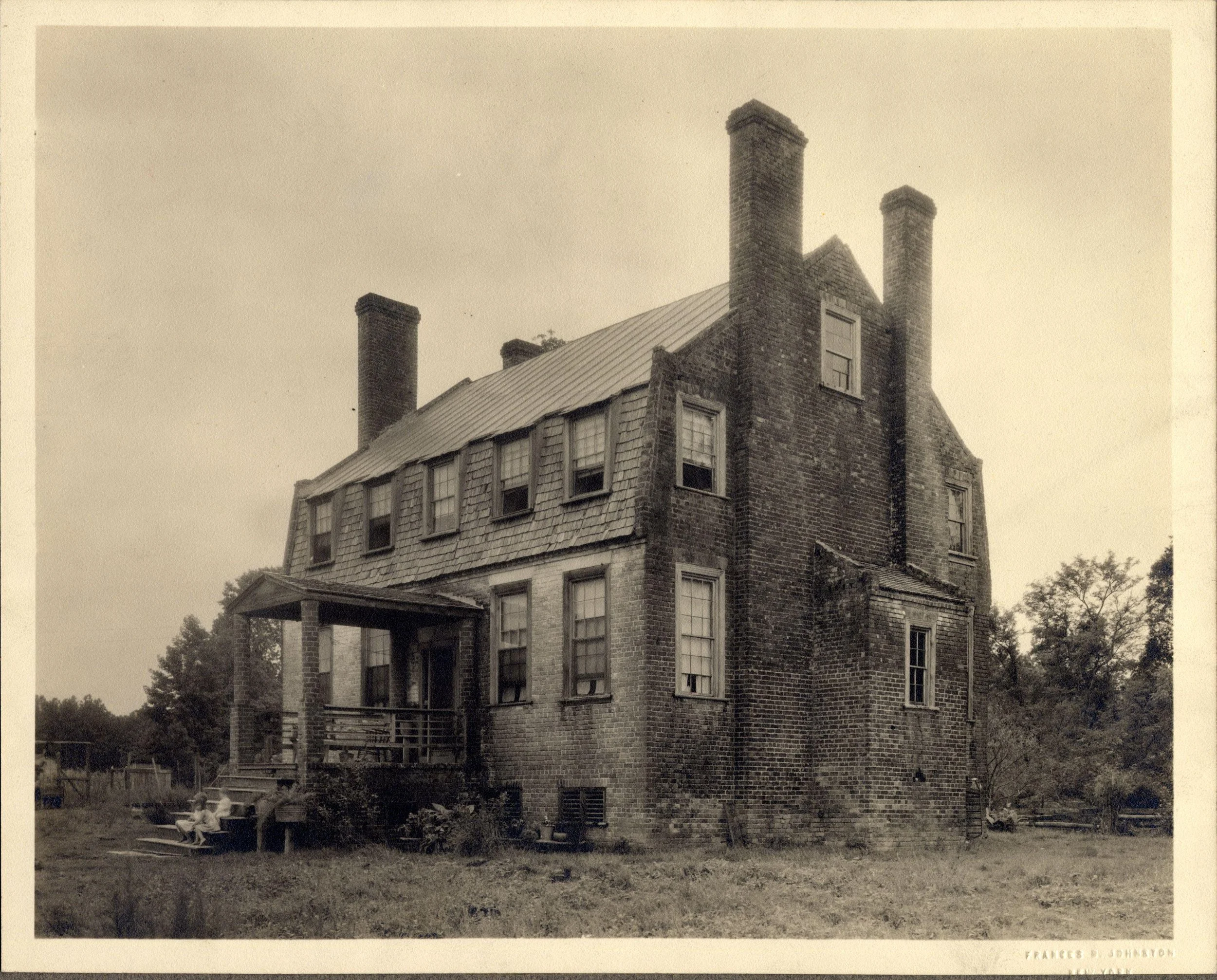
This spark comes from JSTOR Daily and highlights a photographer who chose to document the undocumented.
Frances Benjamin Johnston (1864–1952) opened her first studio in 1894 and became the city’s first established woman photographer in Washington, DC. She photographed the wealthy, including grand estates for families such as the Astors and Vanderbilts. While at a job in rural Virginia, she noticed that mills, cabins, small stores, taverns, barns, and other outbuildings were rapidly decaying and largely undocumented, and she made them her focus.
She was super early.
Scholarly interest in everyday buildings grew mainly in the 1970s and 1980s, so Johnston’s documentation came well before the field was established.
When I talk about documenting your life, this is what I mean. Don’t wait until your life looks impressive enough to record. Don’t polish it, just notice. The kitchen table, the car you practice in, the coffee shop where you write. Keep them as they are.
What if you — documented one ordinary place in your life this week, as-is?
Take a photo, write three lines about it, or record a voice memo describing it.
Someday this place will be exactly what you want to remember.
See more:
Read “The Photographer Who Preserved Everyday Architecture” by Ashley Gardini on JSTOR Daily
Frances Johnston’s architectural photographs live in the University of Virginia’s Frances Benjamin Johnston Architectural Photography collection, and many of her roughly 1929–1935 Virginia images are also available through JSTOR. daily.jstor.org
